 NL
NL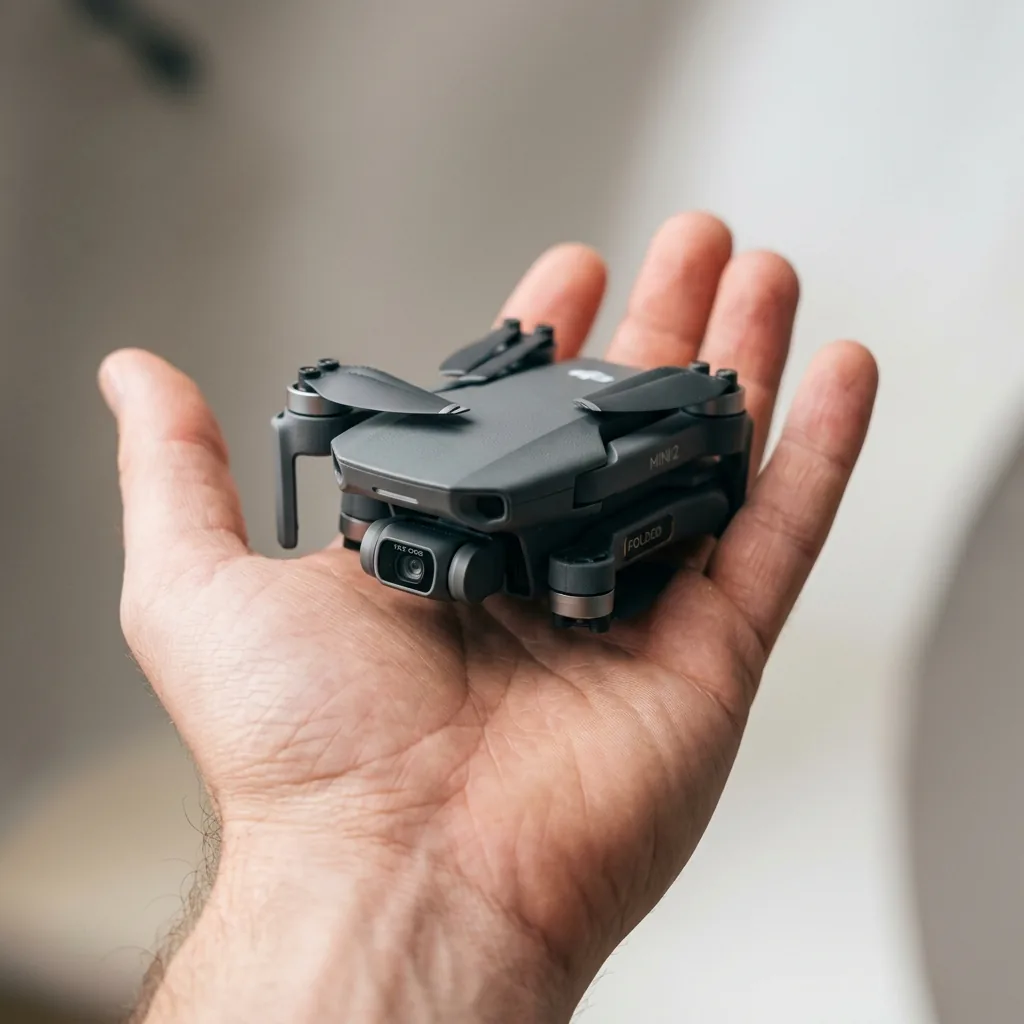
The European Union Aviation Safety Agency (EASA) has published a significant regulatory proposal (NPA 2026-103) which is set to impact both recreational and professional drone operators across Europe. EASA proposes lowering the weight threshold for mandatory pilot certificates and Direct Remote ID from 250 grams to **100 grams**. The goal is to enhance airspace safety, accountability, and traceability in lower-altitude sectors.
New theory requirements for lightweight camera drones
If approved, this amendment will affect many Open category pilots flying ultra-lightweight drones. Operators of drones between 100 and 250 grams—such as the popular DJI Mini series, DJI Neo, and similar models—will be required to pass a basic theoretical test and register. The UK Civil Aviation Authority (CAA UK) was the first major regulator to lower this limit to 100g, and EASA is now moving to align these rules across all EU member states.
Direct Remote ID: Digital identification
In addition, EASA intends to mandate Direct Remote ID for all drones exceeding 100 grams. Remote ID functions as a digital license plate, broadcasting the drone's position, speed, and operator ID. This allows law enforcement and the public to identify platforms in real-time. EASA also proposes introducing firmware locks, preventing takeoff if no valid operator number is entered into the drone's configuration.
Administrative reliefs for professional Specific category operators
While the requirements are tightening for consumer aircraft, NPA 2026-103 introduces major improvements for professional commercial operators. EASA acknowledges that many low-risk operations in the Specific category currently face unnecessary bureaucratic delays under individual authorization schemes. To resolve this, EASA plans to:
- Expand Standard Scenarios (STS): Allow more operations (specifically within SAIL II risk levels) to proceed under simple operational declarations rather than complex individual approvals.
- Shift safety burden to manufacturers: Drones and operations designed to pre-certified technical standards will bypass the need for an operator-drafted SORA (Specific Operations Risk Assessment).
- BVLOS near infrastructure: Create new standard scenarios for BVLOS (Beyond Visual Line of Sight) flights in atypical airspace near obstacles and infrastructure, as well as for agricultural operations up to 750 kg.
Timeline and roadmap
The NPA 2026-103 proposal aligns with the European Commission's drone package presented in early 2026. Security concerns following unauthorized drone activity near critical infrastructure in late 2025 also accelerated political calls for enhanced airspace visibility. Under the current roadmap, the first changes are set to go into effect in **mid-2028**, with the full regulatory framework expected to be active by **2031** at the earliest.
What this means for Drone Department
For our cinematic drone operations, these updates are highly beneficial. Since Drone Department operates under a Specific category authorization, our flight crews and heavy-lift cinema fleets are already fully compliant with advanced licensing and Remote ID standards. The expansion of Standard Scenarios and manufacturer-certified risk profiles will dramatically reduce the paperwork required for our shoots.
This allows our cinema drone teams to be cleared for complex shoots and BVLOS flights near infrastructure much faster, reducing administrative overhead and project lead times for our agency and production clients.