 NL
NL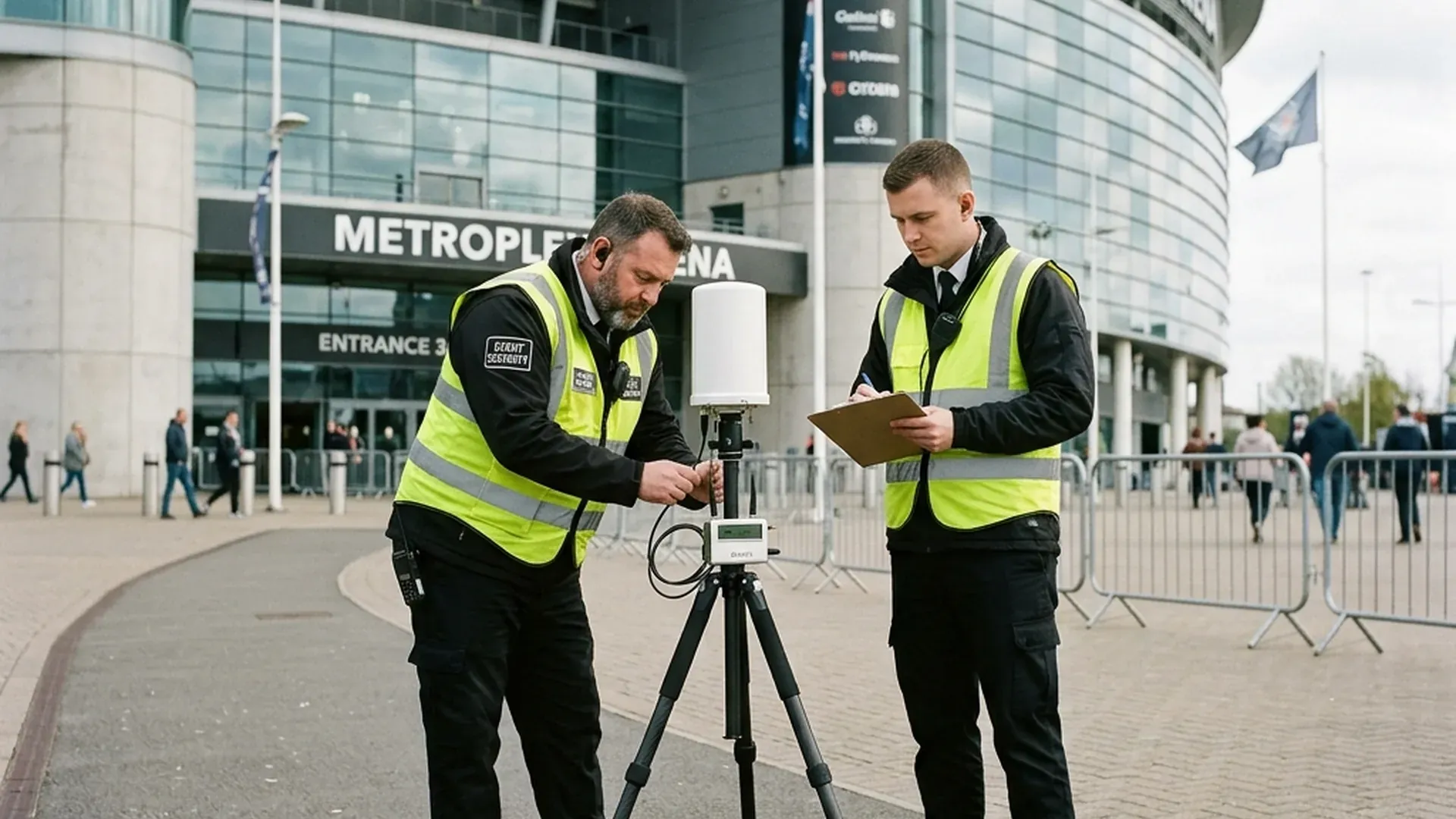
Securing low-altitude airspace over major international sports tournaments has become one of the most critical challenges facing modern aviation and law enforcement agencies. Following the successful conclusion of the FIFA World Cup 2026 across North America, federal officials in the United States released comprehensive data detailing what has been described as the largest counter-drone operation in civil aviation history. The multi-agency effort resulted in the detection and confiscation of more than 700 unauthorized drones operating near stadium perimeters, fan festivals, and team facilities.
Led by U.S. Transportation Secretary Sean P. Duffy alongside leadership from the Federal Aviation Administration (FAA), the Federal Bureau of Investigation (FBI), and the Department of Homeland Security (DHS), the operational framework established a multi-layered security shield across all 11 U.S. host cities to ensure public safety for millions of attending spectators.
Comprehensive Airspace Management and Temporary Flight Restrictions
Throughout the duration of the tournament, federal authorities enacted nearly 250 Temporary Flight Restrictions (TFRs). These restricted zones extended several nautical miles outward from match venues, training complexes, and major fan zones, establishing zero-tolerance airspace windows starting three hours prior to kickoff and extending past venue clearance.
For accredited broadcast crews and specialized aerial operators, access required stringent pre-clearance procedures. Only authorized teams of certified cinema drone operators equipped with authenticated Remote ID broadcast equipment and pre-approved SORA operational authorizations were permitted inside active TFR perimeters. Unregistered radio-frequency signatures were instantly flagged for immediate tactical intervention.
Deconstruction of the 700+ Drone Interceptions
The 700+ seized aircraft represented a wide range of operational profiles, ranging from uninformed recreational pilots to unauthorized commercial media outlets seeking exclusive imagery.
| Incident Category | Approximate Seizures | Primary Cause & Profile | Enforcement / Legal Action |
|---|---|---|---|
| Recreational Pilots | ~480 drones | Unawareness of active TFR zones & local airspace rules | Equipment confiscation & civil fines |
| Unaccredited Media | ~150 drones | Unauthorized commercial filming for social channels | Substantial financial penalties & license review |
| High-Risk Intrusions | ~70 drones | Direct overflight of crowded stadium stands & gates | Federal criminal prosecution & asset forfeiture |
In addition to hardware confiscations, violators faced severe administrative penalties under federal aviation law, with individual civil fines reaching thousands of dollars per violation. In instances where flights endangered stadium crowds or interfered with emergency flight paths, federal prosecutors initiated criminal proceedings.
Role of Ground Intercept Teams and RF Sensing Technology
The cornerstone of the enforcement effort rested on tactical 'Ground Intercept Teams'. Deployed around venue perimeters and armed with handheld radio-frequency direction finders and optical tracking systems, these law enforcement units received real-time telemetry telemetry data pinpointing both the aircraft and the pilot's precise ground position within seconds of takeoff.
This operational framework mirrors advanced European methodologies utilized in drone detection for major events, where rapid pilot location and signal identification are prioritized over kinetic disruption to maintain crowd safety and prevent unmanaged falls in densely populated zones.
Implications for European Airspace and EASA Regulations
The scale of interceptions during the 2026 tournament offers critical lessons for European aviation regulators, including the European Union Aviation Safety Agency (EASA). As Europe expands its U-space framework and prepares for upcoming major sporting and cultural gatherings, real-time coordination between event organizers and law enforcement is proving indispensable.
Because many intercepted operators were recreational flyers who relied on outdated consumer mapping apps, regulators emphasize the necessity of dynamic, real-time geofencing and centralized forensic drone detection and signal analysis to distinguish benign pilot oversight from intentional airspace violations.
Key Questions on Event Airspace Protection and Drone Restrictions
Below are responses to essential questions concerning airspace restrictions, counter-drone mitigation, and safety compliance during major public gatherings.
How do counter-drone systems pinpoint unauthorized drones?
Modern counter-drone architectures utilize integrated radio-frequency (RF) scanners, radar nodes, optical cameras, and Remote ID receivers. These sensors capture command-link telemetry, enabling security personnel to locate both the drone and the ground pilot instantly.
What is a Temporary Flight Restriction (TFR)?
A TFR is a temporary regulatory restriction issued by aviation authorities (such as the FAA or national civil aviation bodies) that prohibits unauthorized flight operations within a designated geographical boundary and altitude block around sensitive events.
Why is flying over stadium crowds strictly prohibited?
Flying over dense open-air assemblies poses severe risks including payload drop hazards, structural impact from mechanical failure, RF signal loss due to interference, and mass panic. Under both EASA and FAA frameworks, crowd overflights are strictly restricted.
Can professional media teams operate drones during restricted events?
Yes, but strictly under pre-approved operational authorizations, such as the EASA Specific Category or official federal waivers. Operators must submit comprehensive SORA risk evaluations, utilize accredited flight crews, and maintain direct comms with event air-traffic managers.
Blueprints for Future Global Event Airspace Defense
The benchmark counter-drone operations executed throughout the FIFA World Cup 2026 demonstrate that low-altitude airspace defense is now an indispensable component of large-scale event management. The integration of RF detection grid technology, automated Remote ID tracking, and mobile ground response teams establishes a definitive security model for future global gatherings, including the 2028 Olympic Games in Los Angeles and major European championships.